Pause, Don’t Scroll
スマホに手が伸びた瞬間、私が選んだこと

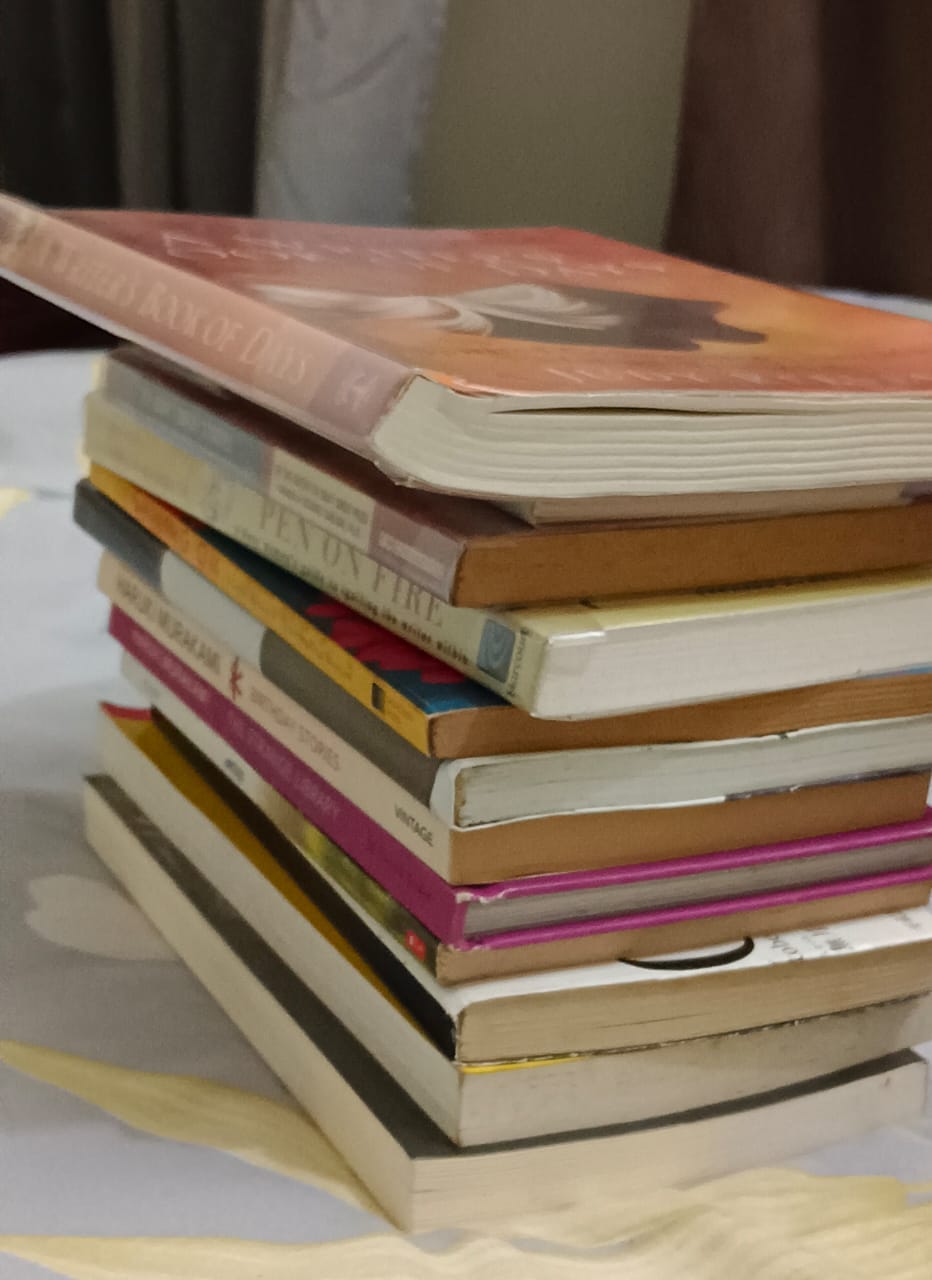
Me: Lately, I’ve been carrying books and origami paper around the house.
Family: “You say you’re reading, but we never actually see you reading!”
Me: …Okay, fair… Maybe I’m just a bit of pretend reading. 🙈😫
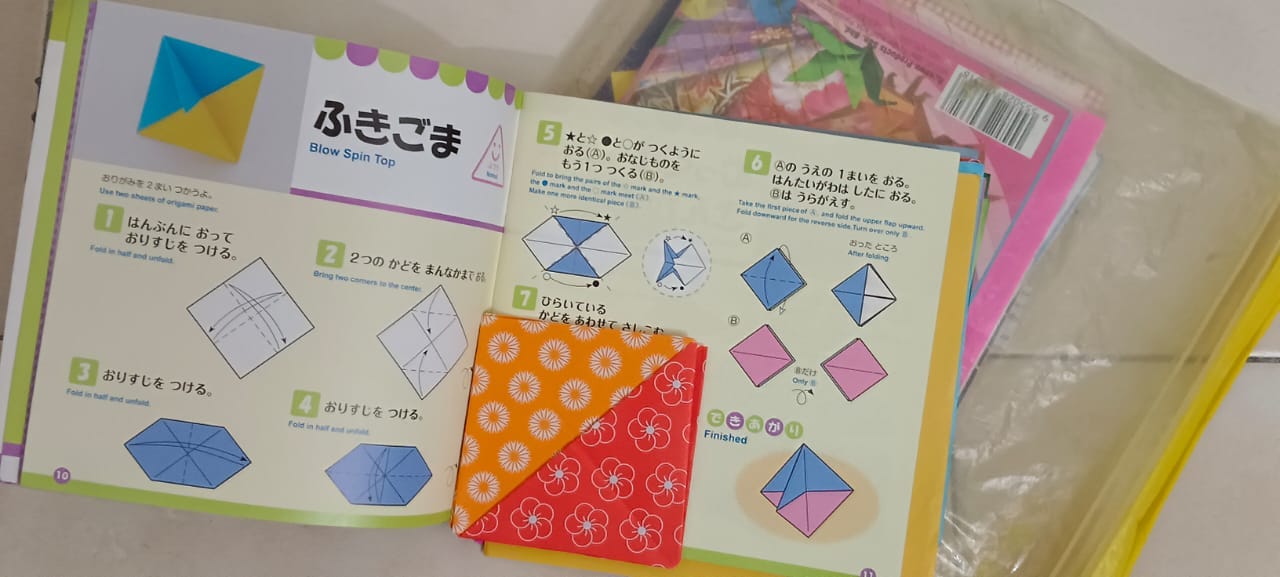
With the year-end holidays and more time at home, I noticed something else.
Wait… why do my hands keep reaching for my phone?
Scroll. Tap. “Just a few more minutes.” Again. And again.
Have you ever noticed yourself doing the same, endlessly watching YouTube Shorts or scrolling through social media without realizing it? By the time you look up, chores and work have piled up. Night comes, and you still feel like you didn’t really do what you wanted that day.
If this sounds familiar, same here. I’ve been through this cycle many times myself. I tried tracking screen time, setting app limits, and telling myself, Tomorrow will be different. But somehow, I always ended up back in the same place.
That’s when I started wondering: Why is this so hard? How can I stop reaching for my phone so automatically?
My plan: Keep books and origami in sight, nearby at all times.
Every time I see them, I remind myself: “Read.” “Fold.” “Be present.”
But… but the reality? My hand still reaches for my phone 😩.
There are many well-known strategies to reduce phone use, right?
Limiting app usage time
Turning off notifications
Leaving your phone in another room
These methods do work, but many times, something else takes over:
We manage for a while, then fall back
Even when the phone is away, our mind stays on it
The more we tell ourselves, “don’t touch it,” the more we want to
Psychology explains:
The more we tell ourselves “don’t,” the more we want it
Our brains are wired to chase small rewards
We often use our phones to escape stress, boredom, or loneliness
No wonder simply resisting didn’t work 😣
The Key Is Not Avoidance, but Replacement
The human brain dislikes empty space. A smartphone is the fastest way to fill that gap. So instead of trying harder to stay away from my phone, I realized I needed something to turn toward instead.
That’s when I came across a YouTube video about smartphone habits and journaling. Normally, I’d nod, scroll, and move on. But this one stayed with me. I decided to try it, just a little.
What really resonated was this idea:
Using your phone too much isn’t about weak willpower.
Journaling as a Pause Button
The video says journaling isn’t about discipline or deep reflection. It works simply because it creates a pause. When the urge to check your phone appears, try one of these instead:
Write whatever is on your mind
“I should clean that shelf.”
“I’m more tired than I thought.”
Random lines, doodles, or sketches are all fine.Write a To-Be List: who you want to be today
Unlike a to-do list, this focuses on identity and intention.I want to value my mornings
I want to value time with my family
I want to be someone who works with focus
Write one good thing or a moment of gratitude (especially at night)
Even this is enough:
“Today ended. Thank you.”
Because you’re not forcing yourself to “improve,” journaling feels easier to begin and easier to continue.
Why the To-Be List Helps
By midlife, most of us juggle a lot: people to care for, bills to pay, responsibilities that never clock out, and a to-do list that keeps growing. You don’t need to ditch your to-do list entirely, but a To-Be List offers a new perspective.
Unlike a to-do list, which focuses on tasks, a To-Be List asks:
Who do I want to be today?
What kind of time do I want to create?
Instead of focusing on what to avoid, it shifts attention to what you want to value and helps you decide how you’ll do it. This approach aligns closely with Self-Determination Theory, proposed by psychologists Deci and Ryan.
They suggest that lasting change comes more from
intrinsic motivation (“I want to do this”)
than from extrinsic pressure (“I have to do this”).
External rules like “no phone allowed” rarely last. But choosing how you want to spend your time and who you want to be while spending it creates motivation that endures. Writing your intentions down helps your brain notice values you hadn’t fully realised, often becoming the first step toward action.
When the Urge Hits: If–Then Planning
Even with journaling, urges still appear. That’s where If–Then Planning helps.
Decide in advance:
If I feel bored and want to grab my phone, then I’ll open my notebook.
If I feel anxious, then I’ll step outside and take three deep breaths.
If I start endless scrolling, then I’ll ask: How did I want to spend today?
Because the decision is already made, you don’t have to rely on willpower in the moment.
Less Phone Time Means More of You
Stepping away from your phone isn’t really about self-control. It’s about coming back to yourself. When you reconnect with what truly matters, your attention naturally shifts from the world inside your phone to the people, moments, and experiences right in front of you.
So if you see me walking around the house, carrying my books, my origami paper, and now a journal too 😬 At this rate, you might say, “You say you’re journaling now, but… are you really?” Well… as of now, one line at a time.
I haven’t figured it out yet either. Still learning and trying things out, If you feel like it, maybe we can try it together.
So let me ask you:
If you put your phone down just a little this season, what kind of time would you like to create for yourself?
Thank you so much for taking the time to read!

私: 最近、家の中を移動するたびに、本と折り紙を持ち歩いています。
家族:「読んでるって言うけど、全然読んでるところ見ないよ!」
私: 「……たしかに。もしかして、読んでるふりだけかも🙈😫」
年末の休みで家にいる時間が増え、気づいたことがあります。
あれ……どうしてこんなにスマホに手が伸びるんだろう?
スクロール。タップ。「あと少しだけ。」また。また。
YouTubeショートやSNSを、気づかないうちにずっと見てしまったことはありませんか?
ふと時計を見ると、家事や仕事がたまっていて、夜になっても「今日は本当にやりたいことができなかったな」と感じる。
もし心当たりがあったら……私も同じです。何度もこの繰り返しを経験しました。スクリーンタイムを見たり、アプリ制限をしたり、「明日は違う一日にしよう」と思ったり。でも、気づくとまた同じ場所に戻っていました。
そこで考えました。どうしてこんなに難しいんだろう?どうしたら、無意識にスマホを手に取るのをやめられるんだろう?
私の作戦: 本と折り紙を、いつも目に入る場所に置くこと。
見るたびに、自分に言います。
「読もう。」 「折ろう。」 「今ここにいよう。」
でも……でも本当は、やっぱりスマホを触ってしまう😩。
スマホを減らす方法は、よく知られていますよね。
・アプリの使用時間を制限する
・通知をオフにする
・スマホを別の部屋に置く
たしかに効果はあります。でも、こんなこともよく起こります。
・しばらくできても、また戻ってしまう
・スマホがなくても、頭の中はスマホのことばかり
・「触らない」と思うほど、触りたくなる
心理学では、こう説明されています。
・「ダメ」と言うほど、やりたくなる
・脳は小さなご褒美を求める
・ストレス、退屈、さみしさからスマホに逃げることがある
これでは、我慢だけでうまくいかないのも当然ですね😣。
大切なのは「避ける」ことではなく、「代わり」を作ること
人の脳は、空白が苦手です。スマホは、その空白を一番早くうめてくれます。
だから私は、「スマホから離れよう」とするより、「代わりに向かうものが必要だ」と思いました。そんなとき、スマホ習慣とジャーナリングについてのYouTube動画に出会いました。普段なら、うなずいて、すぐスクロールして終わりです。でも、この動画はなぜか心に残りました。少しだけ、やってみようと思いました。
一番響いた言葉は、これでした。
「スマホを使いすぎるのは、意志が弱いからではない。」
ジャーナリングは「一時停止ボタン」
動画では、ジャーナリングは「努力」や「深い反省」のためではない、と言っていました。
ただ、一度立ち止まる時間を作るためのものです。
スマホを見たくなったら、代わりにこんなことをします。
・今思っていることを、そのまま書く
「棚を片づけなきゃ」
「思ったより疲れてるな」
落書きや絵でもOKです。
・To Be リストを書く(今日、どんな自分でいたいか)
To Do リストではなく、ありたい自分に目を向けます。
・朝の時間を大切にしたい
・家族との時間を大切にしたい
・集中して仕事ができる人でいたい
・一つだけ、よかったこと・感謝を書いてみる(特に夜)
たとえば、
「今日が無事に終わった。ありがとう。」
「成長しなきゃ」と思わなくていいので、ジャーナリングは始めやすく、続けやすいのです。
なぜ To Be リストが役に立つのか
年齢を重ねると、世話をする人、支払い、終わらない責任が増えていきます。To Do リストを全部やめる必要はありません。でも、To Be リストは、違う見方をくれます。
To Be リストが問いかけるのは、
・今日は、どんな自分でいたい?
・どんな時間を作りたい?
「避けたいこと」ではなく、「大切にしたいこと」に意識を向けさせてくれます。これは、心理学者デシとライアンの自己決定理論(Self-Determination Theory)とも近い考え方です。
人は、「やらなきゃ」より「やりたい」という気持ちのほうが、長く続くと言われています。
「スマホ禁止」のようなルールは続きにくいですが、「どんな時間を生きたいか」を選ぶことは、心からの動機になります。書くことで、自分でも気づいていなかった価値観が見えてきて、それが行動の第一歩になるのです。
衝動が来たとき:If–Then プラン
ジャーナリングをしていても、衝動は来ます。そんなときに役立つのが、If–Then プランです。
あらかじめ決めておきます。
・もし退屈になってスマホを触りたくなったら、ノートを開く
・もし不安になったら、外に出て深呼吸を3回する
・もし無限スクロールが始まったら、「今日はどんな一日にしたかった?」と自分に聞く
決断はすでに終わっているので、その瞬間に意志の力を使わなくてすみます。
スマホを置くと、「自分」が戻ってくる
スマホから離れることは、自分をコントロールすることではありません。自分に戻ることだと思います。本当に大切なものとつながると、自然と、スマホの中の世界より、目の前の人や時間に意識が向きます。
だから私、家の中を歩いているとき、本と折り紙、そして……ノートも持っていたら😬
家族にこう言われるかもしれません。「今度は日記って言うけど……本当に書いてるの?」
……はい、一行ずつです。とりあえずこれで。
私もまだまだできていません。迷いながら試しているところなので、よかったら一緒にやってみませんか。
最後に、みなさんに聞きたいです。
もし今、少しだけスマホ時間を手放すことができたら、どんな時間を作りたいですか?
いつも読んでいただき、ありがとうございます!
I consider myself a critical consumer of media and news. I wanted to have a long conversation with my son about the dangers of social media, etc, 🥱but I knew he’d check out. So, instead, we talked about what information consumption does to identity development and the pathways we grow for critically consuming information. Thank you for this piece. It reminds me we are not alone in this fight for our own attention.
ラシュミ san, I love your idea of keeping origami nearby to help stop reaching for your phone. I think it’s brilliant — I’m going to try it too!